
Mental Performance Support System (MPSS) for Parents
Shape the Environment Where Your Athlete Grows
Parents don't play the game. They shape the emotional climate in which athletes learn, recover, and develop.

WHEN YOU FEEL YOURSELF GETTING PULLED IN
Parenting an athlete can pull us toward fixing, protecting, absorbing their distress, or getting ahead of the future.
The Parent Return Wheel helps you recognize that pull before it takes over.
Find the pattern that fits. Notice what you are about to do. Then choose one small action from the outside of the wheel that helps you return to what your athlete needs from you.
You don't have to get it perfect.
You just have to notice and return.

Your Athlete Doesn't Need More Advice. They Need You First.
-
After a difficult practice or match, most parents want to help. They explain, encourage, analyze, or try to make the disappointment disappear.
-
The problem isn't the intention. It's the timing.
-
When an athlete is emotionally flooded, the brain isn't ready for coaching. The MPSS Parent Manual introduces Regulation-First Parenting, helping parents recognize when to pause, reconnect, and wait until learning is actually possible.
-
The result is calmer conversations, stronger relationships, and athletes who become more resilient over time.
Growth Rarely Looks Like Growth
-
Confidence rises and falls.
-
Skills improve at different rates.
-
A player who looks unstoppable one month may appear stuck the next.
-
That doesn't always mean something is wrong.
-
The Parent Manual helps families understand normal development so they can respond with patience instead of panic and keep one difficult weekend from defining an entire season.

.png)
Protect the Person Behind the Athlete
-
Volleyball is important.
-
It teaches discipline, courage, teamwork, and resilience.
-
But it is only one part of a young person's identity.
-
The MPSS Parent Manual helps parents support performance without allowing wins, losses, playing time, or recruiting to define their child's worth.
-
The goal isn't simply better volleyball.
-
It's raising confident, resilient young adults.
Practical. Thoughtful. Built for Real Volleyball Families
The MPSS Parent Manual explores the most important challenges parents face in youth sports—from pressure, confidence, and identity to communication, regulation, recruiting, setbacks, and long-term development. Through engaging stories, memorable graphics, and practical tools, it translates modern psychology into ideas parents can immediately use.
Its focus is simple: help parents create the kind of environment where young athletes can grow, compete, and flourish.
.png)
NEW: MPSS Parents Multisport Edition
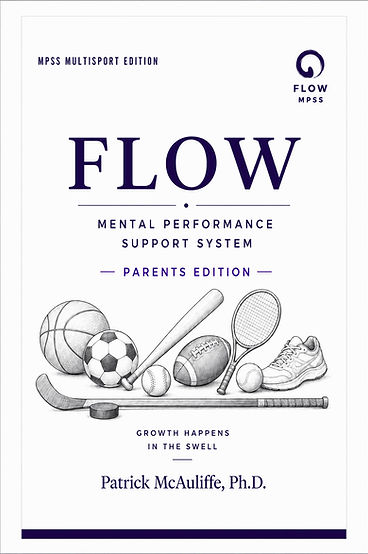
Mental performance support isn’t just for athletes and coaches. Parents shape the environment where athletes grow.
The new FLOW MPSS Parents Multisport Edition brings the Mental Performance Support System to families across youth sports.
Built from psychology, mental performance, and years of experience with athletes and families, the book helps parents navigate the moments that are often hardest to get right: pressure, mistakes, playing time, setbacks, confidence, recruiting, difficult car rides, and uncertainty about what comes next.
Parents learn how to recognize their own Fixer, Mirror, Protector, and Status/Future cracks, regulate before reacting, and answer one simple question:
What does my athlete need from me right now?
The goal isn't perfect parenting. It's creating an environment where athletes can Love. Believe. Belong. Become.
Now available on Amazon in paperback and Kindle.